Obsessive Recessive Roots C.I.C
Lunar Moth Caterpillar To Raise
Lunar Moth Caterpillar To Raise
Couldn't load pickup availability
🌙 Luna Moth Caterpillar Rearing
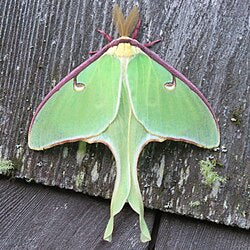
Raising Luna moth caterpillars is a fascinating way to watch one of nature’s most beautiful transformations — from tiny caterpillar to stunning adult moth. 🌿🐛🦋
Our Luna moth caterpillar rearing experience allows you to observe the different stages of their development while learning about their life cycle, feeding habits and metamorphosis.
🌿 What Do Luna Moth Caterpillars Need?
Luna moth caterpillars are relatively straightforward to care for, but they do require fresh food and regular attention every day.
🍃 Fresh Food
The caterpillars need a constant supply of suitable fresh leaves. They naturally feed on trees and shrubs such as:
-
Birch
-
Sweetgum
-
Walnut
-
Hickory
-
Persimmon
-
Some species of beech and oak
Fresh, pesticide-free leaves are essential. Leaves should be replaced regularly so the caterpillars always have access to fresh food.
⚠️ Never collect leaves from areas that may have been treated with pesticides, weedkiller or other chemicals.
🏡 Housing
Caterpillars should be kept in a well-ventilated enclosure that provides plenty of room for them to move, feed and eventually pupate.
The enclosure should:
-
Have good ventilation
-
Be kept clean and dry
-
Be secure so caterpillars cannot escape
-
Provide enough space as they grow
-
Allow easy access for replacing their food
Avoid overcrowding, as this can increase stress and the risk of illness.
🌡️ Temperature & Environment
Luna moth caterpillars should be kept at a stable, comfortable room temperature and away from:
-
Direct sunlight
-
Radiators and heaters
-
Draughts
-
Extreme temperature changes
-
Damp or excessively humid conditions
They are living creatures, so their environment should be checked regularly.
🐛 Growing & Development
Luna moth caterpillars go through several stages called instars. During each stage they grow considerably and will shed their skin.
Don't be alarmed if a caterpillar appears completely still — it may simply be preparing to moult.
As they get larger, they will eat considerably more, so food requirements increase as they grow.
🟤 Pupation
When the caterpillar reaches maturity, it will stop feeding and begin looking for a suitable place to pupate.
At this stage, it is particularly important that it is left undisturbed.
The caterpillar will form a cocoon and undergo its remarkable transformation from caterpillar into adult Luna moth.
🦋 The Adult Moth
Luna moths are especially unusual because adult moths have no functional mouthparts and do not eat. Their short adult lives are focused primarily on reproduction.
The adult moth should therefore be handled as little as possible and given an appropriate environment in which it can emerge, expand and dry its wings.
❤️ Responsible Care
Luna moth caterpillars are living animals and should never be treated as a disposable activity or kept simply for display.
Anyone taking on caterpillars should be prepared to:
-
Provide fresh food every day
-
Check them regularly
-
Maintain a clean, suitable enclosure
-
Monitor their development
-
Give them space and minimal disturbance during moulting and pupation
-
Provide appropriate care through to adulthood
Raising Luna moths takes commitment, but watching these incredible creatures transform through their life cycle makes it incredibly rewarding. 🌙🐛➡️🦋
Share